Micromolding
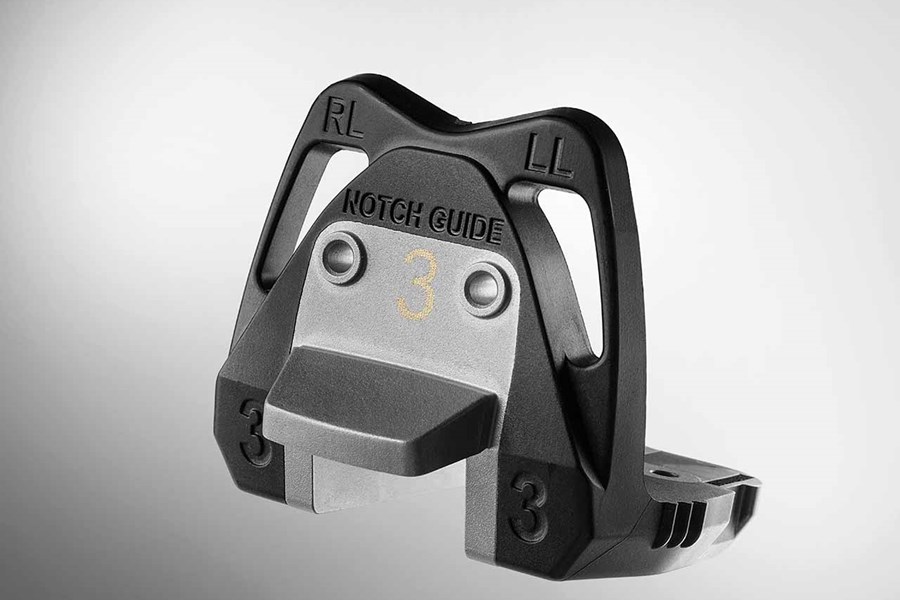
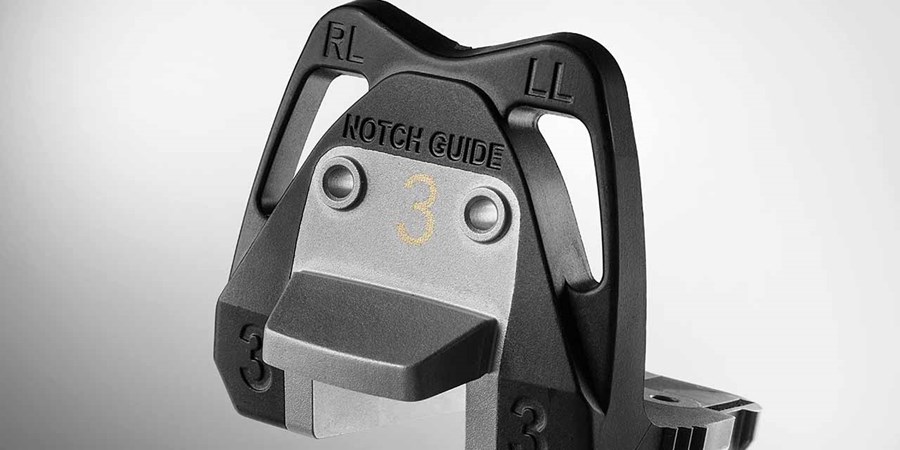
As medical treatments become less invasive, medical devices are getting smaller. We specialize in precision micromolding, leveraging advanced equipment, custom tool designs, and sophisticated measurement systems.
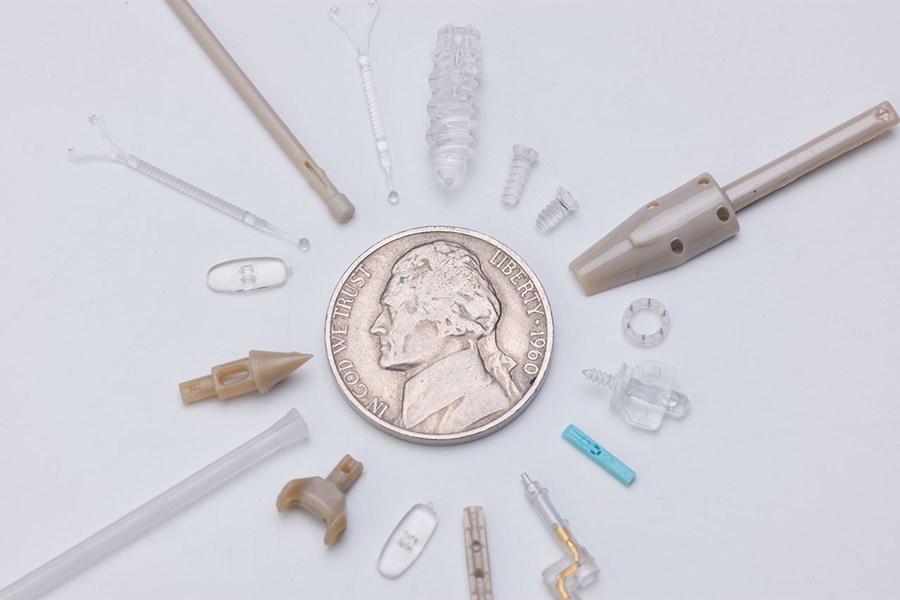
Medical micromolding is a high-precision manufacturing process known as micro injection molding. It involves creating intricate components for medical devices with tight tolerances, requiring specialized equipment, precise tool designs, and advanced measurement systems to ensure accuracy and quality in these small-scale parts.
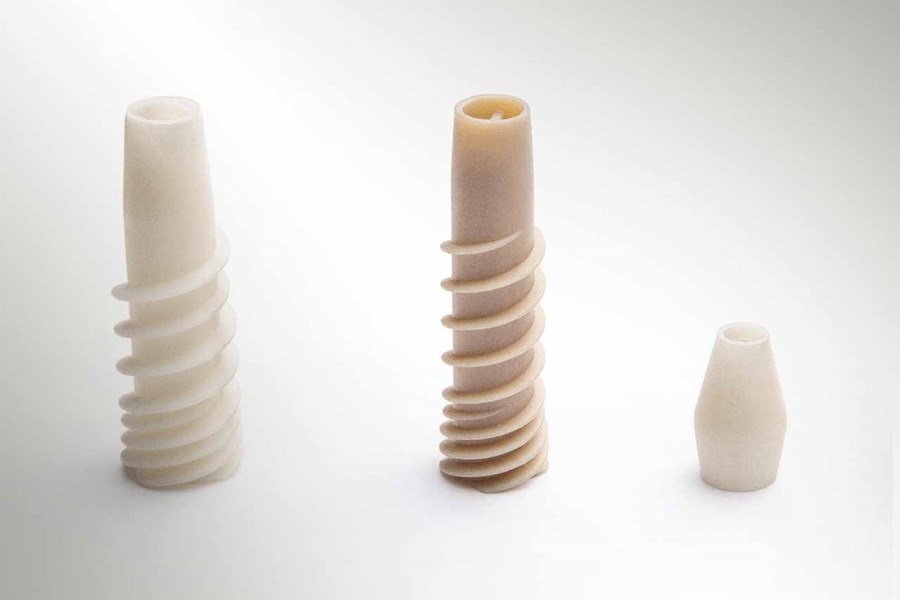
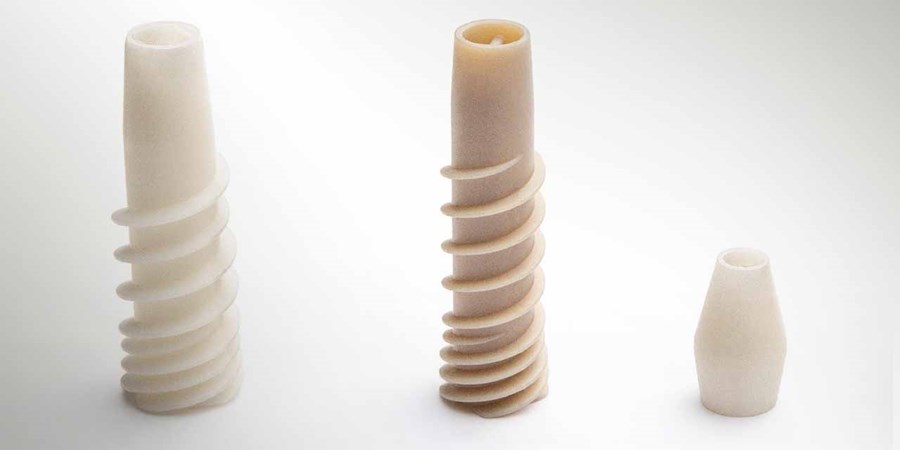
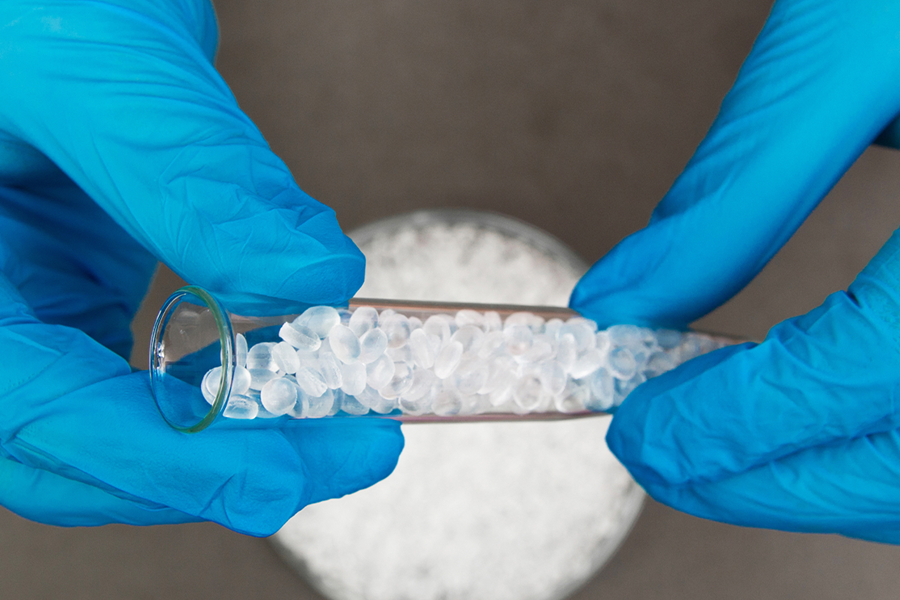
Micromolding produces parts that weigh a fraction of a gram or as small as a single pellet. We understand the micromolding process, from raw material through QA inspection.
Capabilities
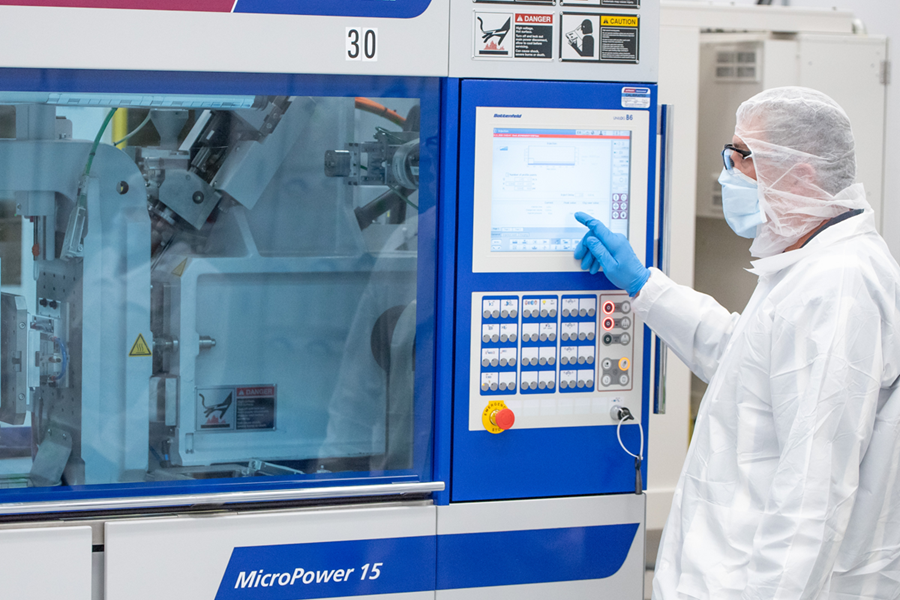
Thin wall injection molding typically refers to parts with wall thicknesses less than 1.5 millimeters, although the exact threshold depends on the material's flow length. A key factor in this process is the aspect ratio—the ratio of flow length to wall thickness—which significantly influences moldability and performance. When the aspect ratio exceeds 100, the part is generally classified as a thin wall component. In contrast, traditional molding typically involves flow ratios less than 100. To successfully mold thin wall parts, high-performance injection molding machines are required. These machines must offer the following:
In medical applications, nearly all micro components feature thin wall sections. This is especially true for implantable device components, such as lead assemblies, where precision and biocompatibility are critical. A wide range of materials are suitable for medical thin wall molding, including
These materials are selected for their flow characteristics, mechanical strength, and biocompatibility, making them ideal for demanding medical environments.
Spectrum offers customers a distinct advantage in thin wall injection molding by leveraging advanced tooling, precision process control, and material expertise to produce ultra-thin, high-performance components.
Micromolding elevates manufacturing by enabling exceptional precision, tight tolerances, and complex geometries, all while maintaining high standards of quality. This technology is essential for producing modern devices, including
The success of micromolding depends heavily on the fabrication of high-precision micromolds. Our micromold building capabilities include
We encourage collaboration early in the design stage to ensure alignment with design intent, feasibility, and tolerance specifications. This is especially critical when planning for validation and regulatory compliance. Our team will also assist in material selection.
Successfully controlling the manufacturing of very small plastic parts or very small/precise features is not just regular molding on a small scale; it deals with microns, ensuring accuracy down to +/—1.5 microns and validating tiny components.
The future of micro injection molding technology is promising. With the continued development and improvement of building methods and designs for micro-tooling, the micromolding process and machines will keep advancing. The market for small and precise plastic parts is growing, and the future is bright.
All plastic resin materials used in traditional injection molding, including thermoplastic resins that are unfilled or highly filled, natural or colored, bioresorbables, fluoropolymers, and long-term implantable and liquid silicone rubber (LSR), work for micromolding.
Yes. We have the specialized equipment and the capacity to produce parts in small to large quantities, as our customers require. Our processes have been refined to be infinitely scalable.